




As a franchise, “Star Trek” knows a thing or two about what it means to cast an immensely large shadow, and all the challenges that can come from that. For the longest time, the cast of “The Original Series” simply defined what “Trek” was and nothing could possibly hope to overtake the likes of William Shatner’s Captain Kirk, Leonard Nimoy’s Spock, and DeForest Kelley’s Bones — until “The Next Generation” came around, that is, and proved that fans could come to accept a whole new captain and a whole new crew of intrepid explorers. On the other hand, there are certain aspects of the property that have become more famous for their pop-culture parodies and meme potential than anything else.
Consider this one of the many topics under consideration in the newest documentary just released in Regal theaters, director Mark Altman’s “The Sixty-Year Mission: How Star Trek Changed Television and the World.” The film packs a lot into its 134-minute runtime, seeking to tell the most comprehensive story of “Trek” thus far. At this year’s New York Comic Con, I had the chance to catch up with Altman and ask what he hoped to add to our understanding of such a beloved IP that hasn’t already been revealed before. For Altman, the answer is surprisingly simple:
“I think, for better or worse, the brilliant ‘Saturday Night Live’ skit ‘Get A Life’ that Shatner did […] has defined what ‘Star Trek’ fans are to a generation. And I think I was trying to recapture the conversation and say ‘Star Trek’ is more than ‘Get a Life.’ ‘Star Trek’ is about celebrating these values of hope and optimism and embracing science and demonizing xenophobia and all these things that ‘Star Trek’ gave us, and bringing that back into the conversation.”
The Sixty-Year Mission shows how Star Trek is more than simply ‘an artifice of pop culture’
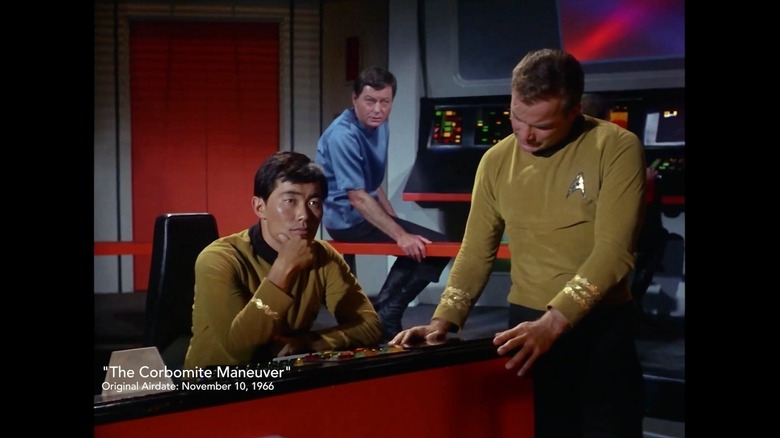
It’s curious how the internet and pop culture as a whole have changed our collective perception of even our favorite movies and shows. This has certainly influenced the way casual audiences and even hardcore fans have looked at “Star Trek” over the years, but this year’s 60th anniversary gives us a perfect excuse to pause and reflect on what really matters. According to Mark Altman, this was a major motivation behind how he approached “The Sixty-Year Mission” and what he wanted to convey:
“I feel that [‘Star Trek’ is] more than just an artifice of pop culture. I think it’s more important than that, and that was something we were trying to celebrate in the movie. And I think the only way to do that was to have all three living cast members [of ‘The Original Series’] talk about and telling stories, and stories they never told before, whether it be Bill Shatner or George Takei talking.”
It should come as no surprise that Shatner gets plenty of airtime reminiscing about his fondest memories of filming “The Original Series” (such as, incredibly, the amount of attractive women Captain Kirk encounters in his travels), but the most sobering anecdote comes courtesy of his co-star. We may remember Takei’s role as Hikaru Sulu for his silliest moments, but “The Sixty-Year Mission” devotes an entire unbroken segment to Takei recalling the horrors of growing up in a United States internment camp for Japanese citizens during World War II.
“It’s a cautionary tale about the future: Who’s ‘American’ and who’s not,” Altman explains. “Because they’re born in Japan, suddenly they’re not Americans? […] It’s just a horrible thing. And so that’s part of ‘Star Trek,’ too.”
Why Mark Altman doesn’t want anyone pitting The Sixty-Year Mission against any other Star Trek documentary
But while “The Sixty-Year Mission” may hope to serve as the definitive take on “Star Trek” and what it’s meant to countless people since its inception, director Mark Altman insists on abiding by one of the central tenets of the property: infinite diversity in infinite combinations. In short, there’s plenty of room within both the franchise and especially the fandom at large for different approaches, perspectives, and angles on “Trek.” As Altman told me:
“We are telling the story in a way that no one else has done it, which doesn’t mean you shouldn’t enjoy these other documentaries because you’re telling different stories. [‘The Next Generation’ star Denise Crosby] made a wonderful documentary called ‘Trekkies’ about fans that’s completely different than what we did. It doesn’t mean … it’s not a horse race. That’s a great documentary telling that story; ours is telling a very different story.”
In fact, that story isn’t finished just yet. “The Sixty-Year Mission” ends with a tease for a sequel of sorts, this time dedicated to the property’s influence on film. According to Altman, “I really think the [movie-focused sequel] will be extraordinary because of the way it gets into the incredible story behind the making of ‘The Motion Picture,’ which is really a remarkable story. And then, obviously, celebrating ‘[The Wrath of] Khan’ and all the other movies, but they’re great stories about all the movies. So I’m really excited about that, and we’ll see when that’s going to come out.”
As always, there’s always more to tell of the story of “Star Trek.” 60 years in, we’ve only scratched the surface. “The Sixty-Year Mission: How Star Trek Changed Television and the World” is now playing exclusively in Regal theaters.
