




The House voted for a third time Tuesday to limit President Donald Trump’s ability to continue military action against Iran without congressional approval, as the conflict stretches toward its seventh month.
The 220-204 vote drew support from seven Republicans, three more than the previous effort. Reps. Nancy Mace of South Carolina and Mariannette Miller-Meeks and Zach Nunn of Iowa joined the four Republicans who had backed earlier resolutions.
Massachusetts Rep. Seth Moulton’s resolution directs Trump to remove U.S. forces from hostilities with Iran. The measure now goes to the Senate, which has not acted on a similar House resolution passed in July.

Download the Straight Arrow app today to get the stories that matter free from manipulation, bias or agenda.™
Point phone camera here
War powers test continues
The vote continues a months-long fight over Congress’ role in the war. The War Powers Resolution gives lawmakers a mechanism to direct the removal of U.S. forces from hostilities that Congress has not authorized.
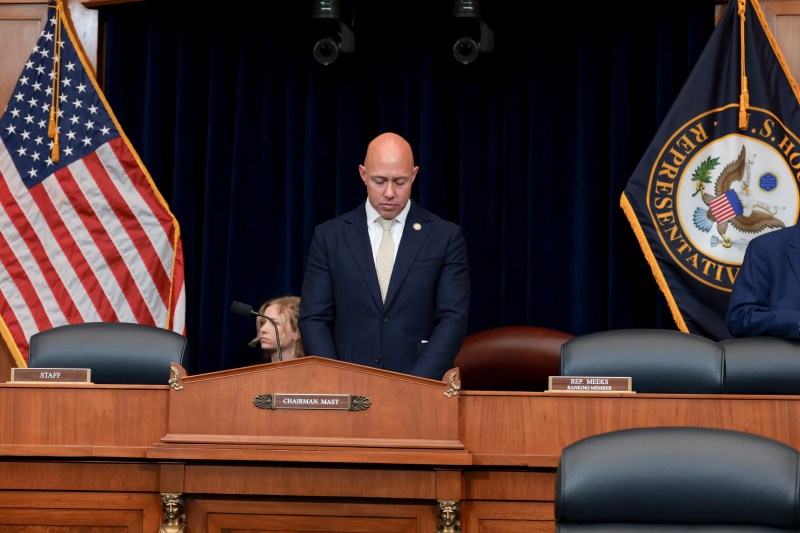
Moulton argued that Congress should scrutinize a conflict Trump initially expected to last only weeks. Rep. Brian Mast, R-Fla., defended continued military action, arguing Iran still poses a threat to the United States.
War costs continue to climb
The vote also comes days after the Pentagon’s watchdog put the early cost of Operation Epic Fury at $33.4 billion through late June. The report found the heavy use of munitions created “strategic inventory shortfalls” and exposed bottlenecks in the U.S. defense industry’s ability to replace them.
Disruptions around the Strait of Hormuz continue to restrict oil traffic and put pressure on energy prices. The State Department also reissued its travel advisory for Saudi Arabia on Tuesday, citing armed conflict, Iranian drone and missile threats and terrorism risks.
