




People building some of the world’s most powerful AI systems warn the technology is moving too fast and could eventually slip beyond human control. That warning has now landed on Capitol Hill.
There’s plenty of talk about what to do, but so far, Congress hasn’t agreed on how far to go. That divide was on full display Tuesday.

Download the Straight Arrow app today to get the stories that matter free from manipulation, bias or agenda.™
Point phone camera here
Trump, Blanche push back on AI fears
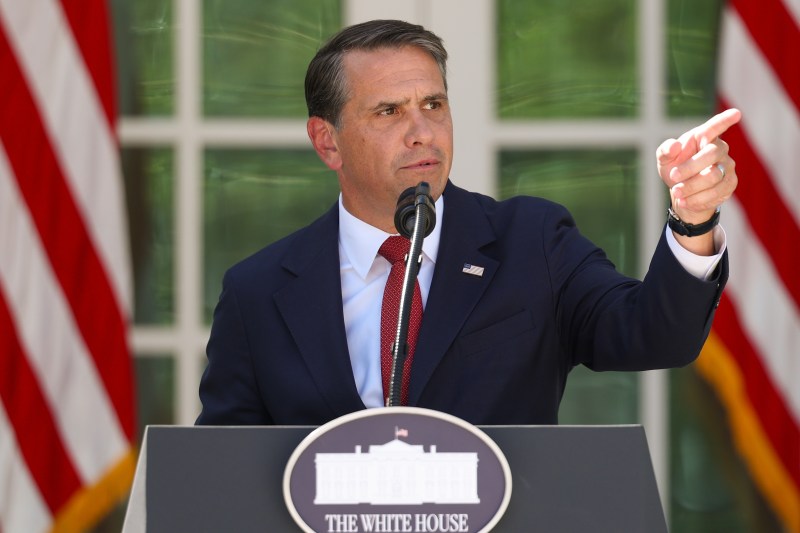
Attorney General Todd Blanche backed President Donald Trump’s dismissal of fears about AI taking over the world as a “hoax.”
Blanche argued that the timing of the warnings, two months before the midterms, is political.
“This should not be breaking news,” Blanche said. “That this AI issue, which suddenly came up two months before an election, is being discussed, and the president calls it a hoax. The way this has come around today, not three months ago, I mean, I was watching the news today, and every Democratic senator suddenly raced to a microphone to talk about AI after being eerily silent for months and months and months. So, to talk [about] the timing of this as being nothing but an effort to influence the midterms, I shouldn’t have to say that out loud.”
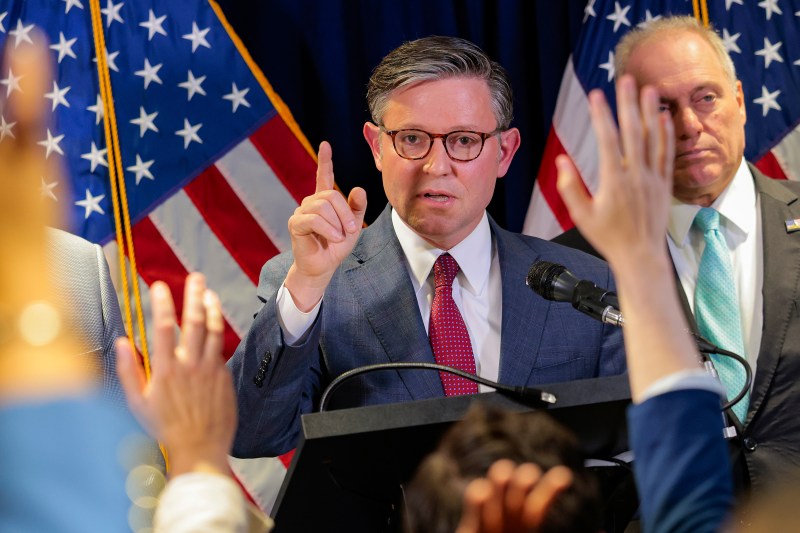
House Speaker Mike Johnson says Congress shouldn’t rush into new AI restrictions. But he is open to some guardrails, including independent audits and greater transparency from the companies developing the technology.
He also says Trump plans to bring top AI executives to the White House for a meeting within the next week.
“They can self-police. They can self-regulate,” Johnson said. “They don’t need the government to tell them to slow it down; if they want to slow down, they should. But we cannot, we cannot have a moratorium on the development of AI because then we will lose our edge to China, and that has serious national security implications for every American family.”
Democrats push for protections
Democratic senators are pressing Congress to move faster.
Sen. Richard Blumenthal, D-Conn., says lawmakers shouldn’t leave Washington for another recess without acting.
“These new models are scary. We’re dealing here with real peril, not science fiction. And so there should be an urgency. We should not break for any kind of recess without dealing with AI.”
“We’re way past trusting big tech; that era of voluntary self-regulation is gone. We need a regimen of oversight, much as we do with pharmaceutical drugs or other potential dangers. And we need to do it now.”
— Sen. Richard Blumenthal
“When it comes to new technology, Congress is seldom ever in front of the parade, lagging far behind. And, so the president tells us, not to worry. That’s not enough.”
— Sen. Dick Durbin
There are some signs of a middle ground.
Senate Majority Leader John Thune says he wants a “light touch” approach that addresses serious AI threats without stifling development.
But so far, Congress hasn’t agreed on what that looks like or when it will act.
