


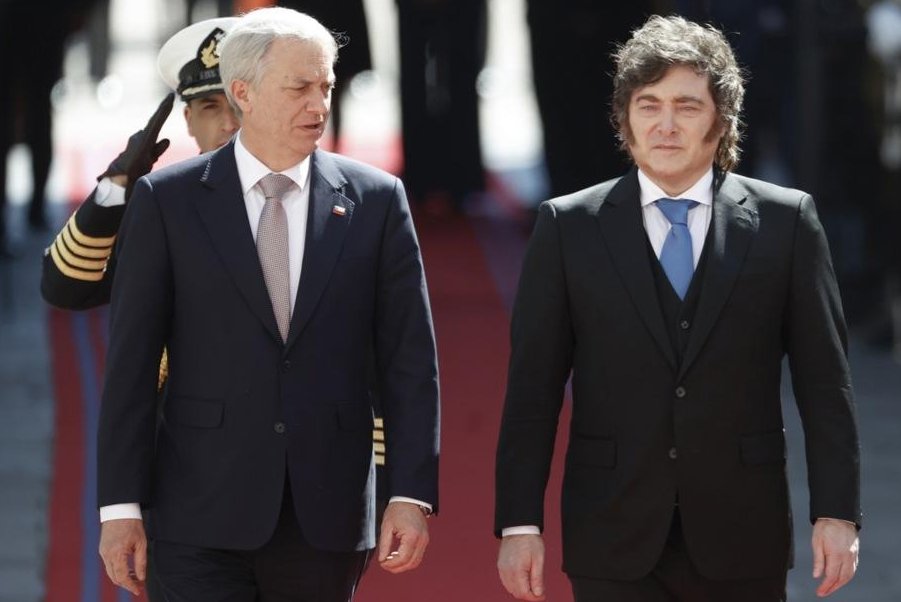
Sept. 4 (UPI) — Sovereignty over the Strait of Magellan emerged as a key issue during Argentine President Javier Milei’s visit to Chile and his meeting Thursday with Chilean President José Antonio Kast.
The two presidents sought to defuse a recent diplomatic controversy by reaffirming Chilean sovereignty over the strategic waterway connecting the Atlantic and Pacific oceans, although an Argentine decree calling for “joint control” over the area remains in effect.
The controversy began after Argentine Air Force chief Gustavo Valverde said in a YouTube interview that the Strait of Magellan was part of his country’s sovereign territory while discussing the importance of maintaining a presence in the far south.
His remarks prompted an immediate response from Chile, which filed a formal diplomatic protest. The two presidents addressed the issue after their bilateral meeting at La Moneda presidential palace in Santiago.
In a joint statement after the meeting, the presidents agreed that the legal status of the Strait of Magellan is established by treaties currently in force, which “establish the sovereignty of the Republic of Chile over the entirety of the strait.”
The issue, however, remains unresolved.
Argentina still has in effect a decree signed in 2021 under the government of former President Alberto Fernández. It establishes a national defense policy that calls for exploration, study and joint control of the Strait of Magellan and the Drake Passage.
Although Milei previously described the decree as a mistake and expressed his intention to repeal it, the measure remains in effect. Chile wants it corrected or replaced.
Chilean Defense Minister Fernando Barros said this week that a document has been ready since March for Milei to sign to repeal the decree.
Chile’s La Tercera newspaper reported that Kast reiterated to Milei during their meeting that moving forward with a new decree was important to Chile. Milei explained that the process has been slow because it requires drafting a new measure that addresses not only the strait but also other Argentine defense policies.
Pablo Álvarez, a doctor of social sciences, international studies specialist and academic secretary at Diego Portales University’s School of History, said the controversy is particularly significant because the remarks came from a senior military official and concerned an issue that has already been settled.
“These are sensitive statements because they suggest that Argentina possesses or disputes sovereignty over the strait, something that is established by treaties between the two countries,” Álvarez said.
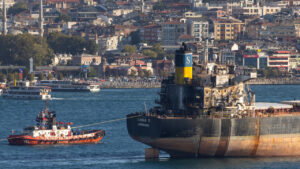
The controversy takes on broader significance because of the Strait of Magellan’s importance beyond bilateral relations.
Álvarez highlighted its role in international transportation and warned that disruptions to strategic waterways can have repercussions for global supply chains.
“Today, international supply chains are vitally important. The conflict in Iran is demonstrating that. If a critical passage for these supply chains is closed, the global economy feels it because it allows transit from the Atlantic to the Pacific,” he said.
Despite the series of statements, Álvarez dismissed the possibility that the controversy could escalate into a larger conflict between the two countries and said bilateral relations remain favorable.
